


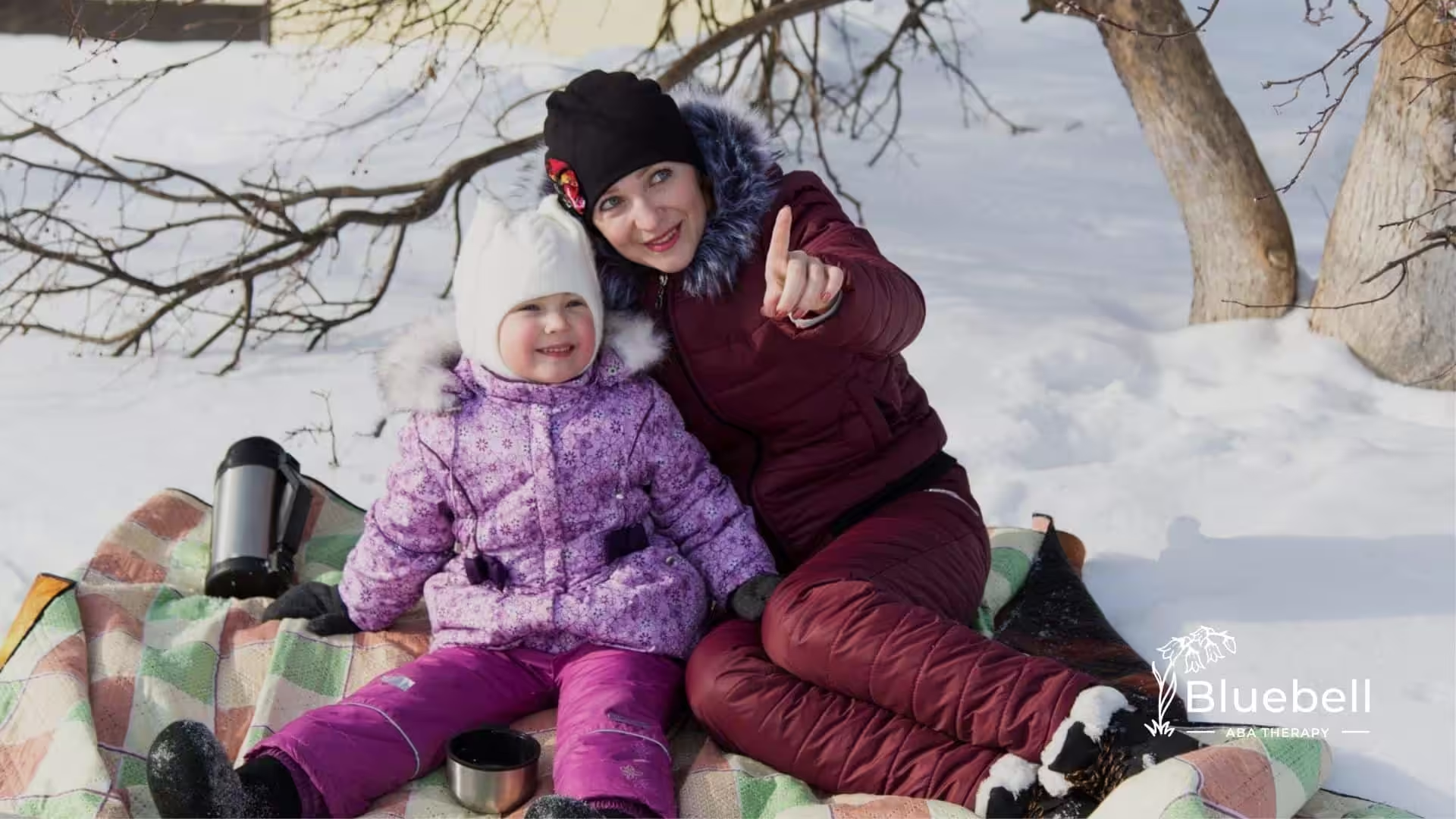
Winter in North Carolina can be a wonderful time for kids on the autism spectrum—with the right activities, you can turn chilly days into opportunities for fun, learning and family connection.
Here are some great ideas in NC that are both accessible and engaging for autistic children.
Outdoor Winter Outings with a Sensory‑Friendly Twist
Most families think of winter as cold and indoor‑only, but many outdoor spots in North Carolina offer quieter, sensory‑calm experiences.
Explore Nature with Ease
Consider visiting parks and trails at a gentle pace. For example, Hemlock Bluffs Nature Preserve in Cary is highlighted as a sensory‑friendly choice: “gentle walking trails, shaded areas, and a peaceful environment filled with natural sounds.”
Also, the North Carolina Department of Natural and Cultural Resources mentions that many of the state parks are “suitable for individuals with autism … hiking, fishing, camping, and wildlife watching” in more relaxed settings.
These kinds of outings allow children to move at their pace, listen to nature, and avoid crowded indoor spaces.
Indoor Activities That Balance Fun & Sensory Support
When it’s colder or you prefer staying inside, there are several places designed with sensory‑needs in mind. These are especially good for autistic kids who might feel overwhelmed by typical play places.
Inclusive Play Gyms
A great option is We Rock the Spectrum Kids Gym – Cary in Morrisville (near Cary). They explicitly state they provide “a safe, nurturing and fun environment … separate play area … quiet room to help if a kiddo is overstimulated.”
If you’re in other parts of NC, they have branches like in the Triad and Asheville too.
These gyms let kids burn off energy, explore equipment, and have built‑in supports for sensory breaks.
Museums & Exhibits with Quiet Hours
A lot of science and children’s museums in NC are offering sensory‑friendly hours. For instance, Discovery Place Science in Charlotte lists Sensory‑Friendly Hours where the setting is calmer, quieter, with noisereduced shows and sensory backpacks available.
Another example: Marbles Kids Museum in Raleigh offers a “Sensory Friendly Playtime … exclusively for kids with disabilities and their families … in a calmer, quieter environment.”
These are perfect for a winter outing inside when you want comfort and predictability.
Tips for Making Winter Activities Work for Autistic Kids
- Pick less crowded times (weekday mornings or afternoons) so there’s less sensory load.
- Bring familiar items (noise‑canceling headphones, a favorite toy or snack) for comfort.
- Plan short sessions, and allow for breaks in a quiet area.
- Talk ahead about what to expect: transition times, new environments, cold weather gear.
- Dress in layers: winter might mean outdoor cold then getting warm indoors, which can affect comfort.
In winter (and beyond), it’s all about finding the balance between fun and comfort—bringing out the joy without pushing into overwhelm. If you’re looking for added support for your child’s development, consider Bluebell ABA.
We offer specialized in‑home ABA therapy in North Carolina, as well as school‑based ABA designed to support children with autism in all settings.
Ready to take the next step? Reach out to Bluebell ABA today and let us partner with your family this winter!
FAQs
What kinds of outdoor winter activities work best for autistic children?
Gentle nature walks, state parks with accessible trails, wildlife watching and low‑crowd outdoor outings offer sensory‑friendly experiences. For example, North Carolina state parks are noted as “suitable for individuals with autism” in their blog.
How can indoor winter visits be made more comfortable for autistic kids?
Choose venues with sensory‑friendly hours or quiet rooms (like Marbles Kids Museum or Discovery Place Science). Bring comfort items, pick less busy hours, and prepare the child for the outing ahead of time.
Why is ABA therapy helpful for winter activity planning for autistic kids?
ABA therapy, like that offered by Bluebell ABA, supports children in skill‑building—communication, social skills, transitions, behavior support. These skills make it easier for kids to participate in outings (whether outdoor or indoor) with more confidence and less stress.
Sources:
- https://www.marbleskidsmuseum.org/sensory-friendly-playtime
- https://discoveryplace.org/things-to-do/events/sensory-friendly-hours/
- https://werockthespectrumcary.com/
- https://www.dncr.nc.gov/blog/2023/03/28/exploring-dncr-sensory-friendly-activities-and-locations