

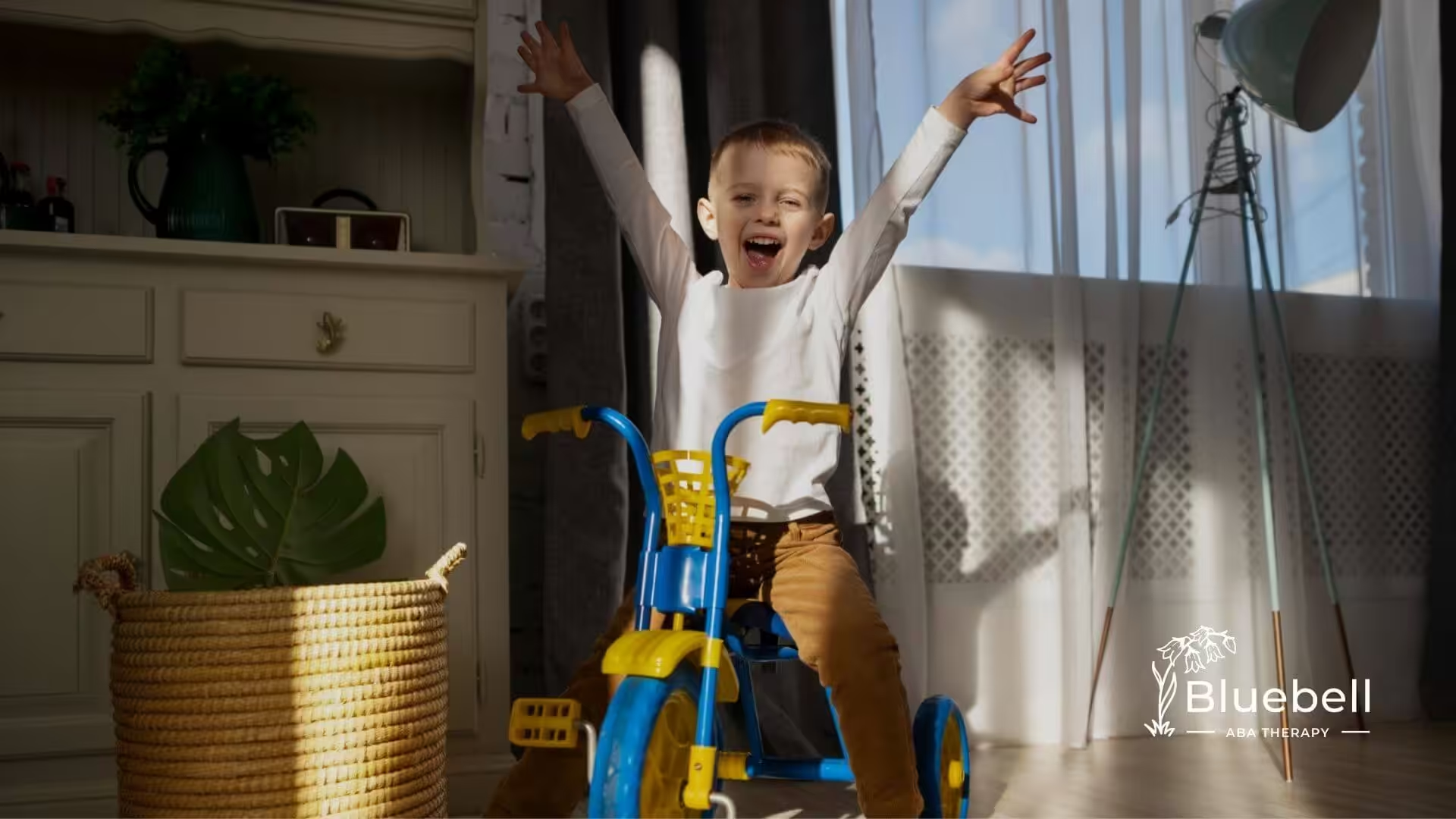
Sensory needs are one of the biggest influences on how autistic children move, communicate, and connect with the world. These needs can feel invisible until you know what to look for.
I worked with a child who craved intense movement—jumping, climbing, crashing—yet was terrified of swings. Understanding his vestibular needs helped us support him better.
What Is Sensory Processing and How Is It Different for Autistic Children?
Sensory processing refers to how our brain receives, organizes, and responds to information from our five senses, as well as our internal senses like balance and body awareness. For most children, these processes happen automatically.
However, for many children with autism, sensory processing is different. They may be either hypersensitive or hyposensitive to certain sensory stimuli. Understanding these differences is key to providing appropriate support.
Hypersensitivity: When Sensations Overwhelm
Hypersensitivity, or overreaction to sensory stimuli, is a common experience for many children with autism. These children might feel overwhelmed by everyday sensations that others don’t even notice. Some common examples include:
- Loud noises: The sound of a school bell, a vacuum cleaner, or even background chatter can be painful or cause extreme anxiety.
- Bright lights: Harsh fluorescent lights or flashing lights can lead to distress or discomfort.
- Certain textures: Clothing, food, or even school supplies may cause irritation due to their texture.
These sensory overloads often result in meltdowns, shutdowns, or attempts to escape the situation. These behaviors are not intentional but are the child’s way of managing overwhelming sensory experiences.
Hyposensitivity: When Sensory Input Feels Blunted
On the other end, some children with autism have a reduced sensitivity to sensory stimuli. This means they might not notice sounds, touch, or other sensory inputs as others would. In these cases, children might:
- Seek strong sensory input: They may enjoy rough play, swinging, or spinning to stimulate their senses.
- Ignore basic sensory signals: For example, they might not react when they’re hungry or tired, or may not feel discomfort from hot or cold temperatures.
- Show low awareness of their surroundings: This can make it hard for them to engage with others or participate in typical activities, like listening to a teacher or following a classroom routine.
These children might act impulsively or seek out sensory experiences to help them feel grounded and regulated.
The Complexities of Sensory Processing: Beyond the Five Senses
When we talk about sensory processing, it’s easy to focus on the traditional five senses — sight, sound, touch, taste, and smell. However, for autistic children, other sensory systems also play a crucial role in how they experience the world. These additional sensory systems often impact behavior and regulation.
The Vestibular System: Balance and Movement Sensitivity
The vestibular system, responsible for balance and spatial orientation, helps us understand how our bodies move and where they are in space. Children with autism may be either hypersensitive or hyposensitive in this area:
- Hypersensitive children may become dizzy, anxious, or overstimulated when moving or engaging in activities that involve spinning, swinging, or even walking on uneven surfaces.
- Hyposensitive children may crave intense movement experiences, such as jumping, spinning, or swinging, to stimulate their vestibular system and provide necessary input.
Understanding how a child responds to movement helps create an environment that is comfortable and conducive to their learning and development.
Proprioception: Awareness of Body Position and Movement
Proprioception refers to our sense of body position in space — how we know where our limbs are and how our body is moving. Children with autism may experience difficulties with proprioception, resulting in challenges like:
- Clumsiness: Difficulty with coordination, often leading to trips, falls, or awkward movements.
- Sensory-seeking behaviors: A child might crave deep pressure (e.g., squeezing, jumping, or pressing against walls) to provide proprioceptive feedback that helps them feel more grounded.
By providing activities that support proprioceptive input, such as weighted blankets or deep pressure massages, we can help children feel more comfortable and less anxious in their bodies.
Interoception: Recognizing Internal Body Signals
Interoception refers to the sense of how our body feels internally — things like hunger, thirst, tiredness, or needing to use the bathroom. Many children with autism struggle to recognize or respond to these internal cues, which can lead to:
- Difficulty with self-regulation: A child might not recognize they’re hungry, tired, or in pain, which can lead to meltdowns or other behaviors.
- Missed cues for bathroom needs or eating routines: This can affect their daily routines, making it challenging for them to participate fully in school or other activities.
Improving interoception often involves using visual cues, schedules, or physical prompts to help children become more aware of their internal needs.
Why Sensory Processing Matters for Autistic Children
The way sensory processing works for children with autism plays a major role in their daily experiences and interactions. Sensory sensitivities or seeking behaviors impact how children engage in school, home routines, and social situations. Addressing these sensory needs is essential for creating an environment where they can thrive.
Impact on Behavior and Emotional Regulation
When sensory needs aren’t met, it can lead to frustration, anxiety, and emotional overload. A child who feels overwhelmed by too many noises, bright lights, or physical discomfort may respond by having a meltdown or withdrawing from the situation altogether. By meeting sensory needs with appropriate supports, we can help children stay regulated and avoid these emotional outbursts.
Impact on Communication and Socialization
If a child is overwhelmed by sensory stimuli, they may have difficulty focusing on conversations, social cues, or group activities. Addressing sensory needs creates space for better communication and social engagement, enabling children to build relationships with their peers and participate more fully in classroom activities.
Impact on Learning and School Performance
In the classroom, sensory overload can interfere with a child’s ability to concentrate, follow instructions, or complete assignments. By offering sensory accommodations — like noise-canceling headphones or a quiet space — children can focus better on their schoolwork and achieve more in their learning environment.
How to Support Sensory Needs in Children with Autism: Practical Strategies
Meeting sensory needs involves creating environments and routines that accommodate each child’s unique sensory profile. Whether at home, school, or during therapy, here are some strategies that can make a real difference:
Sensory Integration Therapy
One of the most effective ways to support children with sensory processing challenges is through sensory integration therapy. This therapy helps children develop the ability to respond to sensory input in an adaptive way.
Occupational therapists often use activities that engage various sensory systems, such as swinging, jumping, or using textured materials to help children better process and regulate sensory input.
Providing Sensory Breaks and Safe Spaces
For children who become overwhelmed by sensory input, it’s important to provide opportunities for sensory breaks. This might mean a quiet room, a cozy corner with soft lighting, or a designated area with calming sensory tools. Giving children a safe space to retreat and regulate their sensory experiences can help prevent meltdowns and improve focus.
Tailoring Classroom and Home Environments
Small environmental changes can have a big impact. These might include:
- Using noise-canceling headphones to block out distracting sounds.
- Adjusting lighting to reduce harsh fluorescent lights, such as using softer lamps or providing sunglasses.
- Offering textured or soft clothing to reduce tactile discomfort.
These simple changes can make a huge difference in helping a child feel more comfortable and engaged in their environment.
Conclusion
Sensory processing plays a critical role in the everyday lives of many autistic children. By understanding their sensory needs and providing appropriate supports, we can help them navigate the world more comfortably and confidently. Sensory differences are not barriers; they are opportunities to create environments that foster growth, learning, and well-being.
If you’re looking for compassionate, individualized support for your child, Bluebell ABA is here to help. Our team offers in-home ABA and school-based ABA designed to meet your child where they feel most comfortable. Families across the state can also access our full North Carolina ABA services.
If you’re ready for support that truly understands your child, reach out to Bluebell ABA today.
FAQs
What are common sensory sensitivities in autistic children?
Sensitivity to noise, light, textures, and movement are very common.
Why does sensory overload cause meltdowns?
Because the child’s nervous system becomes overwhelmed, making it hard to regulate emotions.
How do I know if my child is sensory seeking?
Look for behaviors like jumping, spinning, crashing, or craving strong movement input.
Sources:
- https://pmc.ncbi.nlm.nih.gov/articles/PMC12194364/
- https://www.webmd.com/brain/autism/what-is-hyposensitivity
- https://childmind.org/article/sensory-processing-issues-explained/
- https://www.psychologytoday.com/us/blog/zero-to-six/202202/10-traits-of-highly-sensitive-children
- https://www.cnbc.com/2023/03/04/parenting-experts-signs-your-kid-has-a-highly-sensitive-brain-why-neuroscientists-says-its-an-advantage.html