


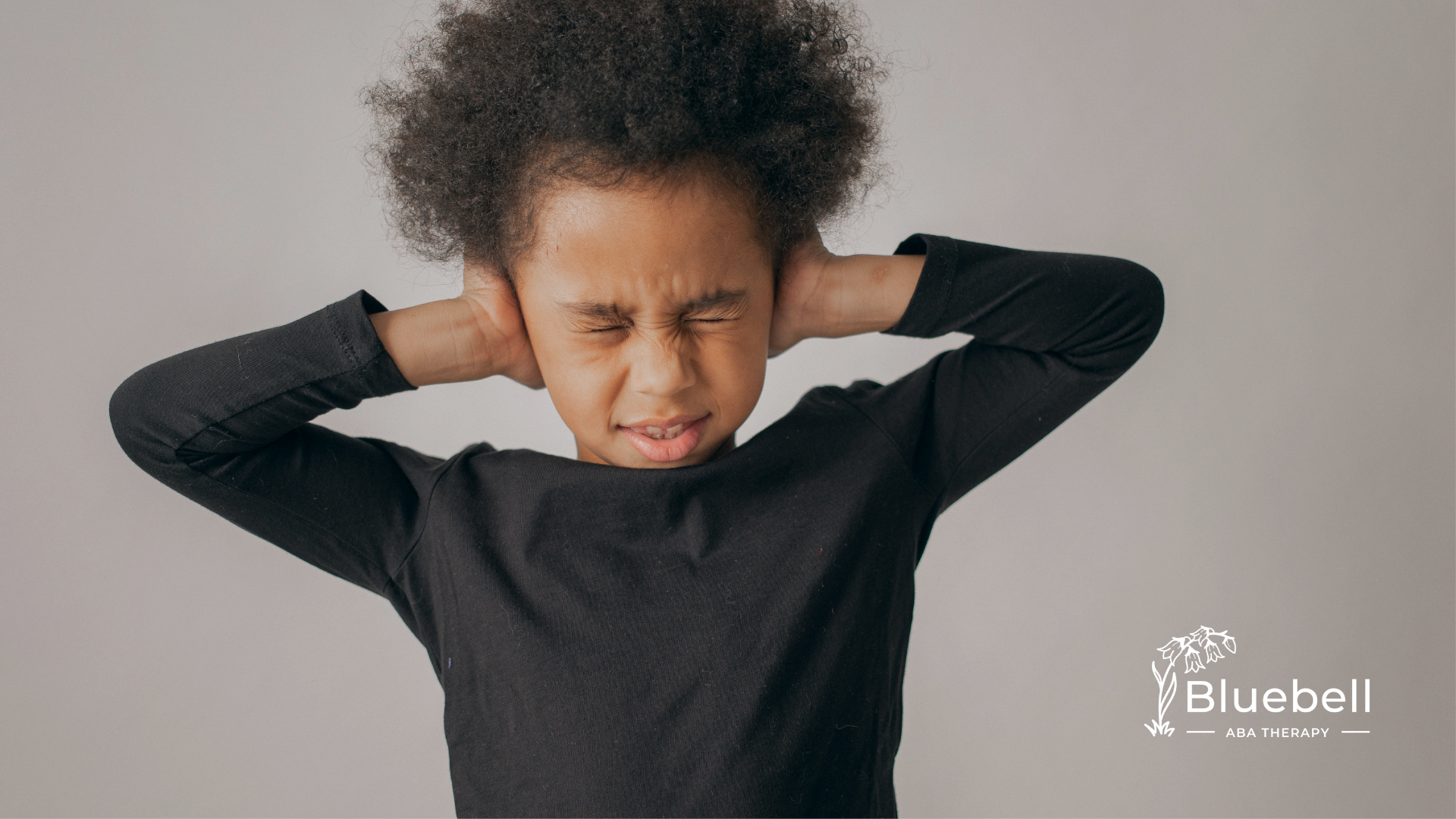
Disciplining an autistic child who doesn’t listen starts with shifting the goal from punishment to teaching skills. Many autistic children are not ignoring instructions—they may simply need more processing time, clearer expectations, or a calmer environment. Understanding these needs helps parents respond in ways that reduce frustration rather than escalate it.
Start by using short, simple directions and giving a moment of quiet wait time. Visual supports such as picture cards or “first–then” boards help children understand what is expected. Keeping routines predictable also makes listening easier, because the child knows what comes next.
Instead of punishment, focus on positive reinforcement—praising or rewarding appropriate behaviors so they are more likely to happen again. When challenging behavior occurs, stay calm and guide the child toward an alternative action, such as asking for help or taking a break.
If listening is consistently difficult, the child may be experiencing sensory overload, communication struggles, or anxiety. Identifying triggers can make interventions far more effective.
At Bluebell ABA, we use evidence-based strategies to teach listening skills, emotional regulation, and cooperation in a nurturing, supportive way. Our goal is to help children thrive—not through punishment, but through understanding, structure, and compassionate teaching.
Frequently Asked Questions
1. How do you discipline an autistic child who doesn’t listen?
Use calm, consistent routines, visual cues, and positive reinforcement rather than punishment.
2. Why might an autistic child seem like they aren’t listening?
They may need extra time to process language, feel overwhelmed, or struggle with sensory distractions.
3. Should you punish an autistic child for not listening?
No. Punishment can increase anxiety. Supportive strategies work better and build long-term skills.
4. Do visual supports help?
Yes. Schedules, picture cues, and step-by-step instructions make expectations clearer.
5. Can ABA therapy help with listening skills and discipline?
Absolutely. ABA teaches communication, emotional regulation, attention skills, and appropriate responses.