


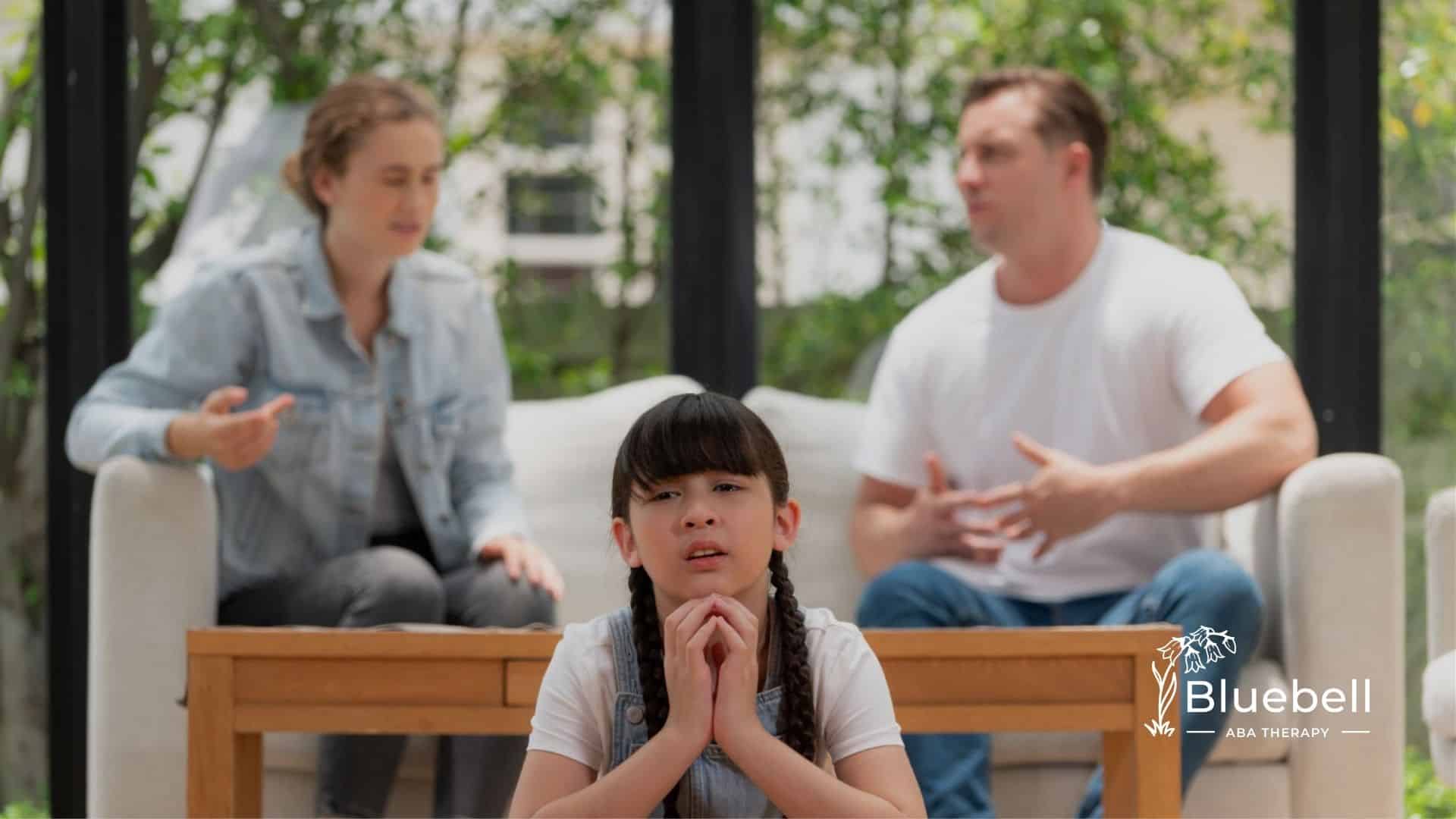
For many parents, ABA therapy feels like a lifeline a way to help their child with autism learn new skills and navigate the world more easily. But at the same time, it can also feel like a marathon. Long hours, packed schedules, and sometimes gradual progress can leave families wondering: “Is this too much?” If you’ve been asking yourself how stressful ABA therapy might be or what burnout looks like, you’re not alone.
Let’s break it down together and explore how to spot stress early and make adjustments that work for everyone involved.
What Makes ABA Therapy Intense?
ABA therapy is designed to help children with autism develop essential skills by breaking down tasks into manageable steps and reinforcing positive behaviors. It’s highly structured and often involves 20-40 hours of therapy per week, depending on the child’s needs.
While this intensity is part of what makes ABA effective, it can also feel overwhelming for some families. Here’s why:
Time Commitment
ABA therapy requires a significant time investment. Between therapy sessions, parent training, and follow-up activities at home, families often find themselves juggling packed schedules. For parents balancing work, other children, and daily responsibilities, this can lead to exhaustion.
Structured Sessions
The structured nature of ABA sessions—where specific goals are targeted repeatedly—can feel rigid for some children. If a child struggles with transitions or becomes frustrated when tasks are difficult, this structure may add to their stress levels.
Emotional Investment
Parents naturally want the best for their children, but seeing slow progress or watching a child struggle during sessions can be emotionally draining. The pressure to ensure success can weigh heavily on families over time.
How Stressful is ABA Therapy for Children?
Children undergoing ABA therapy may experience stress if the intensity isn’t tailored to their individual needs. While many thrive under the structured approach, others may show signs of autism burnout if the demands become too much.
Signs of Stress in Children
Parents should watch for these common indicators that their child may be feeling overwhelmed:
- Increased Resistance: A child who once participated willingly in sessions may begin refusing or avoiding activities altogether.
- Emotional Outbursts: More frequent tantrums or meltdowns during or after therapy sessions could signal frustration or fatigue.
- Physical Complaints: Headaches, stomachaches, or general fatigue might indicate that therapy is taking a toll on their body as well as their mind.
- Loss of Interest: If a child seems disengaged or uninterested in activities they previously enjoyed during therapy, it may be time to reassess the approach.
Recognizing Burnout in Parents
ABA therapy doesn’t just affect children it impacts parents too. The combination of managing schedules, overseeing progress, and supporting a child emotionally can lead to parental burnout if left unchecked.
Common Signs of Parental Burnout
- Exhaustion: Feeling physically or emotionally drained on a regular basis is one of the earliest signs of burnout.
- Irritability: Increased frustration or short tempers with family members may indicate underlying stress.
- Neglecting Self-Care: Parents who stop prioritizing their own health and well-being often find themselves feeling overwhelmed more quickly.
- Feelings of Guilt: Many parents feel guilty if they think they’re not doing enough or if they need to take breaks from caregiving responsibilities.
Addressing Burnout: Strategies for Families
Burnout doesn’t have to be an inevitable part of ABA therapy. With the right strategies in place, families can create a more balanced approach that supports both the child and the parents.
Open Communication with Therapists
ABA therapists are there to support not just your child but your family as a whole. If you notice signs of stress or burnout—whether in your child or yourself bring it up with your therapist immediately. They can adjust session intensity, incorporate breaks, or modify goals to better suit your family’s needs.
Adjusting Therapy Schedules
It’s okay to scale back if needed! While consistency is important in ABA therapy, reducing session lengths or frequency temporarily can help alleviate stress without sacrificing progress.
Incorporating Play-Based Learning
Adding play-based techniques into sessions can make therapy more enjoyable for your child while still achieving important goals. Activities like games or creative projects help keep learning fun and engaging.
Prioritizing Self-Care for Parents
Parents must take care of themselves to effectively care for their children. Whether it’s carving out time for exercise, hobbies, or simply relaxing with a good book, self-care is essential for maintaining emotional resilience.
Building a Support Network
Connecting with other parents who understand your journey can provide invaluable encouragement and advice. Local autism support groups and online communities are great places to share experiences and find solutions together.
Conclusion
ABA therapy has helped countless children with autism develop essential skills and achieve meaningful milestones, but its intensity isn’t without challenges. By understanding how stressful ABA therapy can be and recognizing signs of burnout early on, families can take proactive steps toward creating a balanced approach that prioritizes emotional well-being alongside skill development.
At Bluebell ABA, we believe that every family deserves personalized support through ABA therapy in North Carolina that are tailored to their unique needs. Our experienced team, work closely with parents to ensure that both children and caregivers thrive throughout the therapeutic journey.
If you’re looking for compassionate guidance and effective solutions for your family’s challenges, reach out today!
Frequently Asked Questions
How stressful is ABA therapy for children?
The intensity of ABA therapy can sometimes cause stress for children if sessions are too long or not tailored to their needs. Signs include resistance, emotional outbursts, physical complaints, and disengagement.
What are common signs of burnout in parents?
Parents experiencing burnout may feel exhausted, irritable, neglect self-care routines, or struggle with feelings of guilt about their caregiving efforts.
How can I reduce my child’s stress during ABA sessions?
Talk openly with therapists about adjusting session intensity or incorporating breaks. Adding play-based techniques can also make sessions more enjoyable.