

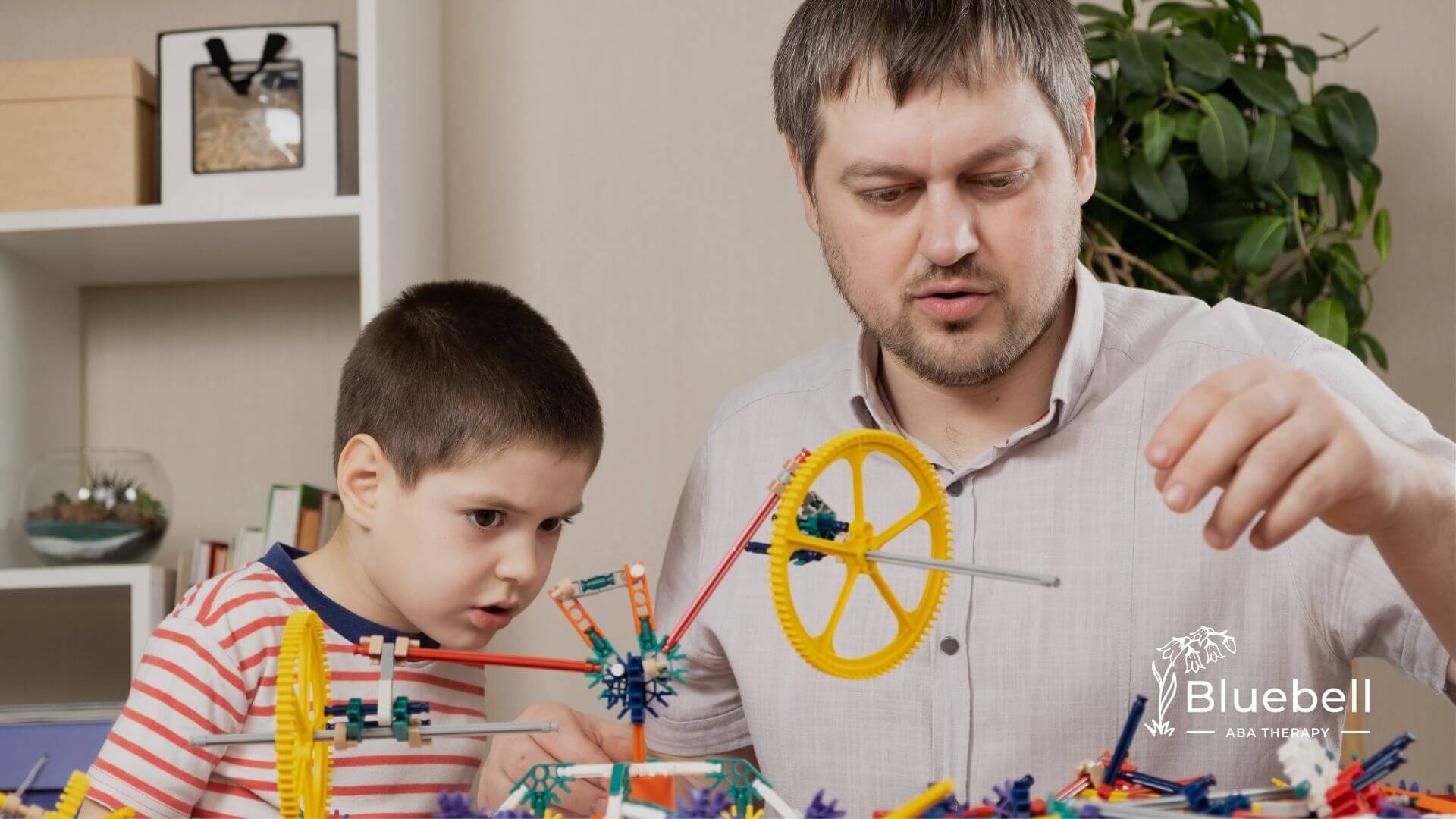
Autism spectrum disorder (ASD) doesn’t look the same for everyone. People with autism may behave in ways that reflect differences in communication, social interaction, and sensory processing. For example, some may prefer routines and feel stressed when those routines change. Others might repeat certain movements or phrases, or focus deeply on specific interests.
Social behaviors can vary too. A child may avoid eye contact, struggle with back‑and‑forth conversation, or find group settings overwhelming. Sensory sensitivities are also common, bright lights, loud sounds, or certain textures may feel uncomfortable. Importantly, these behaviors are not “bad.” They are simply different ways of experiencing and responding to the world.
Understanding autism means recognizing that each person’s behaviors are unique. With the right support, individuals with autism can thrive at home, school, and in the community. Applied Behavior Analysis (ABA) therapy helps build skills, reduce challenges, and encourage independence through personalized strategies.
At Bluebell ABA, we specialize in compassionate, evidence‑based ABA therapy in North Carolina for children.
Learn how ABA can make a meaningful difference. Contact us today!
SOURCE:
https://www.sensoryfriendly.net/what-does-it-mean-to-be-sensory-sensitive/
https://www.nhs.uk/conditions/autism/signs/adults/
https://www.hhs.texas.gov/services/disability/autism/autism-training-opportunities/autism-spectrum-disorders-training-program-first-responders/module-4-common-behavior-characteristics-individuals-autism-spectrum-disorder-asd
https://www.reddit.com/r/autism/comments/1ddfaak/what_behaviors_make_you_think_that_person_is/
https://en.wikipedia.org/wiki/Applied_behavior_analysis