

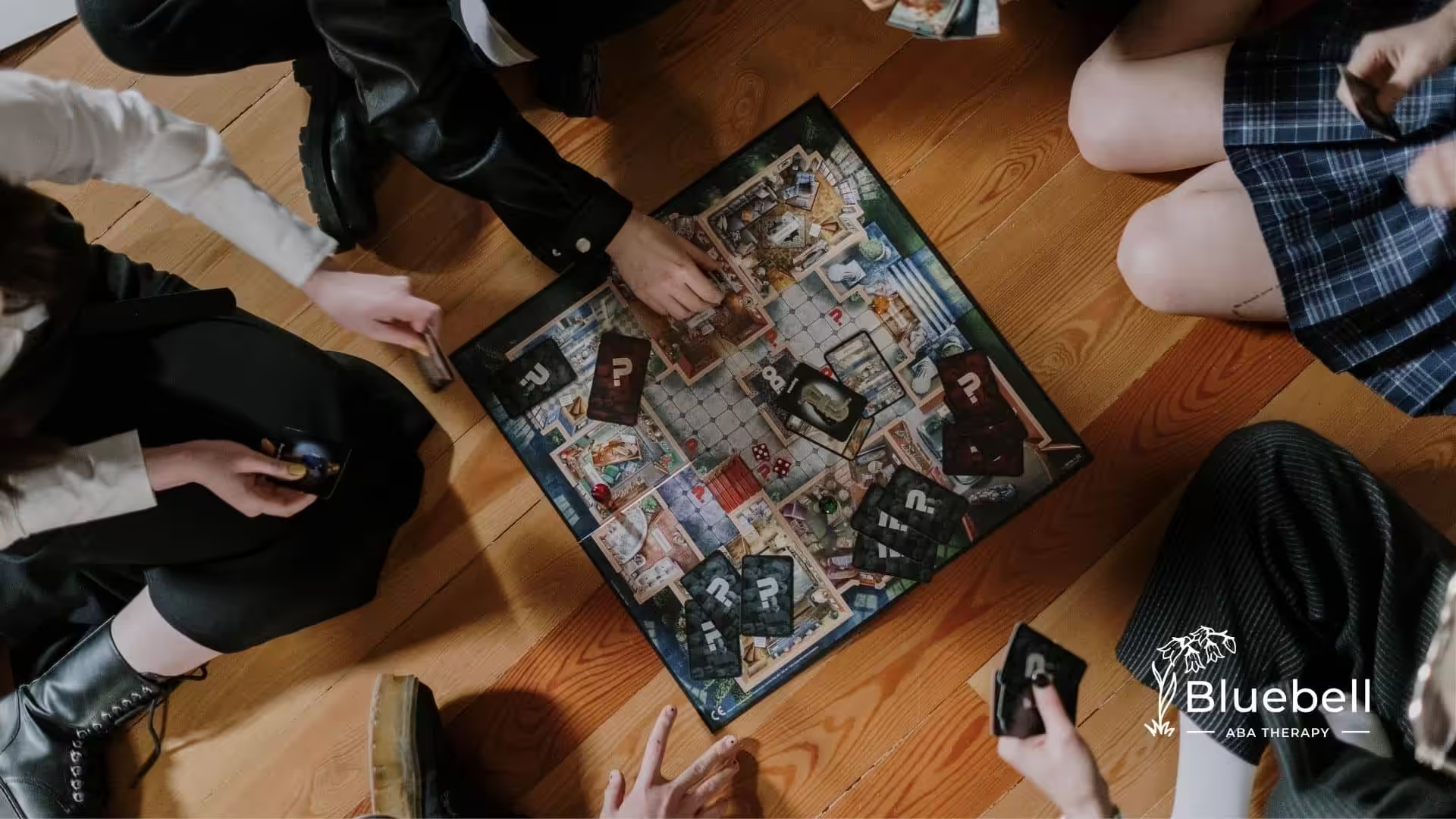
Whether you want relaxation, creativity, strategy, or social connection, the right game can make play more meaningful for autistic adults. This guide lists 10 best games for autistic adults games that have clear rules, soothing mechanics, and enjoyable goals — with reasons why each game works.
Quick Pick: Games by Type
| Game | Type | Why It Works |
| Stardew Valley | Sandbox/Relaxed | Calm pacing, gentle goals |
| Minecraft | Creative Sandbox | Open-ended play, self-directed |
| Animal Crossing: New Horizons | Chill / Social | Low pressure, customizable routines |
| Tetris Effect: Connected | Puzzle | Repetitive patterns help focus |
| The Witness | Puzzle/Logic | Visual logic challenges |
| Ticket to Ride | Board | Clear objectives, social fun |
| Blokus | Board | Visual strategy, low verbal demand |
| Chess / Strategy Games | Strategy | Predictable rules, deep thinking |
| Cooperative Board Games | Group Play | Teamwork, shared success |
| Creative Card & Memory Games | Casual | Simple rules, easy setup |
14 Best Games for Autistic Adults
Games do more than just entertain. They offer autistic adults a chance to connect with others and discover their strengths. These games can help improve verbal communication and enhance problem-solving skills. They are specially selected to fit the sensory and cognitive needs of people on the autism spectrum. You can find games that support teamwork as well as sensory-rich experiences. There is something for every ability and preference. Let’s look at the top 10 games and see how each one helps foster creativity and connection.
1. Stardew Valley — Calm Creativity
What it is: A farming and life simulator with gentle tasks like planting crops, crafting, fishing, and building friendships.
Why it works: Players set their pace and goals. The lack of strict time limits and pressure gives space for relaxed exploration — perfect if overwhelming games feel stressful.
2. Minecraft — Build Your Own World
What it is: A creative sandbox where you gather resources, explore, and build.
Why it works: Players choose what to build and how to play. Its predictable mechanics and clear feedback loop are ideal for pattern seekers and creative minds.
3. Animal Crossing: New Horizons — Low-Stress Social Play
What it is: A gentle simulation of island life with chores, decorating, and visiting friends.
Why it works: No fail states, no rush, and tons of customization options help players regulate pacing and comfort.
4. Tetris Effect: Connected — Puzzle That Calms
What it is: Classic Tetris with immersive visuals and sound.
Why it works: Repetitive, predictable gameplay and rhythmic patterns can bring focus and relaxation.
Puzzle-solving games are great for improving our thinking skills and problem-solving. Games like “Rubik’s Cube” and “Rush Hour” challenge the mind in a calm way. They are perfect for autistic individuals, helping to increase their attention span while having fun. For group play, jigsaw puzzles with beautiful pictures or neat patterns help people relax and connect. Working together on puzzles can create special moments, bringing family members or friends together and boosting their communication skills in a natural way.
5. The Witness — Logic & Observation
What it is: A beautifully designed puzzle game set on a vibrant island.
Why it works: Visual thinking and problem solving take center stage without fast-paced demands.
6. Ticket to Ride — Strategy Board Game
What it is: Plan routes by placing train cards to connect cities.
Why it works: Easy-to-learn rules make social play accessible, and the predictable turn structure keeps the experience comfortable.
Cooperative Board Games
Cooperative board games are great for getting people to work together and socialize in a friendly setting. These games focus on teamwork instead of competition. This helps autistic individuals join together to achieve common goals. Games like “Pandemic” and “Forbidden Island” require players to think as a group. This can improve communication skills for people of all ages.
Games like “Castle Panic” offer simple tasks where everyone’s help is important. This setup can lower anxiety and encourage joyful interactions. By focusing on togetherness and shared success, cooperative board games create a positive experience for everyone, making them truly autism-friendly.
7. Blokus — Simple, Visual Strategy
What it is: A tile-placement board game that emphasizes pattern and space.
Why it works: Visual strategy and limited pieces make it approachable and satisfying.
Strategy-Based Games
Strategy games can boost critical thinking and decision-making skills. These skills are important for people with autism. Games like “Chess” or “Settlers of Catan” help autistic adults plan, follow rules, and think about results. They make learning fun and engaging.
These games have clear goals and steps. This helps reduce sensory overload by making the gameplay predictable. Autistic people often do well in these calm environments, where they can focus and think.
Additionally, these games encourage social interaction in groups. Players talk and work together to face challenges. By including autistic individuals in these games, we can show their strengths. This creates chances for empowerment and enjoyment. Overall, strategy games are a great way to improve skills related to autism spectrum disorder in a friendly environment.
8. Chess & Strategy Games — Deep Focus
What it is: Classic strategy games such as Chess or other turn-based tactics.
Why it works: Predictable rules and clear cause-effect help players concentrate and think ahead.
9. Cooperative Games — Team Play
What it is: Games like Forbidden Island or Pandemic where players work together.
Why it works: Cooperation over competition reduces pressure and builds teamwork skills.
10. Card & Memory Games — Casual Group Fun
What it is: Games like Uno, Memory Matching, Simon, or custom card games.
Why it works: Simple rules and quick rounds make these great for casual gatherings or family play.
Memory games are great tools for helping autistic adults develop their thinking skills and improve their memory. Games like “Matching Pairs” or “Simon” give sensory stimulation through patterns and repetition, which helps with sensory processing. For example, “Sequence” makes players think carefully to match cards. It helps improve brain function and concentration to remember sequences well.
11. Communication Building Games
Games that help with communication are very important for autistic adults. They assist in understanding both spoken and unspoken cues. Charades is a classic game that promotes self-expression through gestures. This helps improve social interaction and communication skills. Role-playing games, like “Dungeons & Dragons,” support verbal communication and creative thinking. Games focused on communication are key in building understanding and connections. For instance, games like “Taboo” help recognize language patterns and boost attention spans.
12. Sensory Integration Games
Sensory integration games help autistic individuals with their sensory needs while boosting coordination. Activities like using sensory bottles filled with glitter or beads provide visual stimulation and a calm experience through touch. Games like “Twister” add fun and physical activity, which helps with coordination and body awareness.
Using touch and movement can help manage sensory input for a playful and therapeutic time. For something gentler, “Light-Up Fidget Toys” offer a soft way to stimulate sensory processing while working on fine motor skills.
13. Creative and Art-Themed Games
Creative games, especially art-focused activities, help unlock imagination and improve fine motor skills. Finger painting, making sensory bottles, or using textured materials like sand are great ways to encourage self-expression and promote sensory integration.
Art therapy games, such as “Pictionary,” mix social skills with creativity. They give autistic adults an engaging way to communicate through pictures. The mix of structure and freeform creativity makes sure these activities meet autism-specific needs and remain fun.
14. Physical Activity-Focused Games
Physical activity games are important for improving motor skills and helping autistic adults become more aware of their bodies. Yoga options like “Chair Yoga” are gentle movements that cater to sensory needs and help with relaxation.
For a more energetic option, dance games that focus on rhythm can help with coordination and provide sensory input. Playing these games mixes social connections with the joy of movement, ensuring fitness and fun for autistic individuals who want recreational activities suited to their needs.
Selecting the Right Game for Different Needs
Choosing the right game for autistic people needs careful thought about their sensory, mental, and social needs. Whether you focus on sensory input or change activities for different abilities, good choices help create valuable experiences.
Adapting games to various skills helps include everyone and values individual strengths. Next, learn more about picking games that fit every need—regardless of personal preference or how hard the game is.
Considerations for Sensory Sensitivities
Sensory sensitivities are an important part of the autism spectrum. They can affect the type of games that are chosen. Activities that use weighted objects or involve touch, like sensory bottles, can provide calming sensory input. These activities are often great options.
Games made for sensory needs, such as soothing puzzles or light-up sensory toys, help reduce feelings of being overwhelmed. Colors and textures also add to these sensory experiences, making them engaging yet easy to handle for people with autism.
By picking games that meet sensory needs, you can improve enjoyment and also help with emotional control.
Adapting Games for Various Skill Levels
Inclusive play makes sure that games are open to autistic adults with different skill levels. Games such as puzzles or group challenges can have various levels. This helps to adjust the difficulty based on individual strengths.
Being adaptable is key for fun activities. DIY fidget toys or art projects that require teamwork allow people to feel a sense of achievement. These activities help develop skills for people with special needs.
Using customized ways invites more people to join, making sure everyone feels valued. This careful engagement creates special chances for learning and connection through gaming experiences.
Conclusion
In conclusion, choosing the right games can greatly improve social interactions and communication skills for autistic adults. Focus on games that involve teamwork, strategy, and sensory activities. This helps create a space where everyone’s interests and strengths are included. It’s important to think about each person’s likes and sensory needs when picking games.
This way, everyone can join in and have fun. Doing these activities not only builds friendships but also helps with personal growth and enjoyment. If you want to find more game ideas or need help choosing the best ones, please reach out to Bluebell ABA for a free consultation!
We service families across North Carolina, Georgia and Maryland.
Frequently Asked Questions
What are the benefits of playing games for autistic adults?
Games can make life better for autistic adults. They help improve social skills, attention span, and brain skills. Fun activities like puzzles and sensory games encourage emotional growth. These activities also support the needs of those on the autism spectrum.
How can games improve social skills among autistic adults?
Interactive games help autistic adults connect with others. These games improve communication, encourage teamwork, and create shared experiences. They support both verbal and non-verbal cues. This helps participants feel more confident in social situations that are friendly for autism.
What types of games are most engaging for autistic adults?
Autistic adults usually like sensory games, video games, and board games that they can play together. They also enjoy activities that need strategy and role-playing. These games help improve their thinking skills and encourage social interaction among people with autism spectrum disorder.
Sources:
- https://neuronav.org/self-determination-blog/fun-games-for-autistic-adults