

Many parents wonder why their autistic child seems to behave one way at home and another way in public or at school. The short answer: yes, autistic children often behave differently at home, and there are very real reasons behind it. At home, kids are surrounded by their safe people, familiar routines, and predictable environments — so their true needs and emotions often show up more openly.
In ABA practice, this difference is something I see constantly. A child may appear calm at school but have big meltdowns or shutdowns the moment they walk through the door. None of this means anything is “wrong.” It simply means home is where they feel safe enough to release the feelings and sensory overload they’ve been holding in all day.
Why Autistic Children Act Differently at Home
Autistic children process the world in a unique way. Factors like sensory input, communication demands, emotional load, and masking all influence how they behave in different settings.
Home Offers Safety and Predictability
Home is often the place where autistic children can finally breathe. The environment is familiar — same couch, same room, same toys, same people. Predictability lowers anxiety and helps children self-regulate.
This sense of safety can lead to:
- More self-expression
- More emotional release
- More stimming
- Stronger preferences
- Increased independence — or increased reliance on parents
Masking Plays a Big Role
Many autistic children mask their behaviors in public or at school. Masking means hiding stimming, forcing eye contact, copying others, or trying to “fit in.”
Masking can be exhausting, leading to:
- After-school meltdowns
- Irritability
- Emotional outbursts
- Withdrawal or shutdowns
- Difficulty transitioning between environments
This is sometimes called restraint collapse — when kids finally release everything they’ve been holding in once they get home.
Sensory Needs Change With the Environment
Home allows children to meet their sensory needs more freely. They may:
- Remove uncomfortable clothing
- Climb, jump, or pace
- Make vocal sounds or hum
- Put things in their mouth
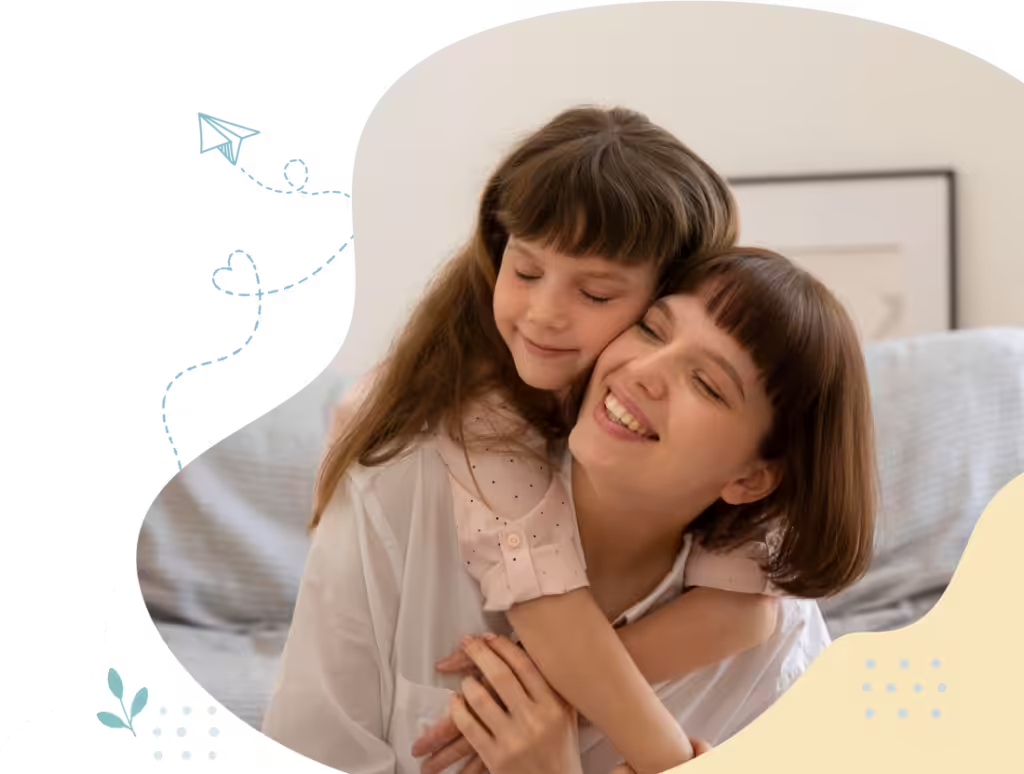
- Seek deep pressure (cuddles, weighted blankets)
- Avoid loud or bright areas
When kids can regulate sensory input, behavior naturally shifts.
Communication Expectations Are Lower at Home
At home, children communicate using familiar routines, gestures, or nonverbal cues. There’s no pressure to talk “correctly” or follow group expectations.
This can lead to:
- More attempts to communicate
- More spontaneous language
- More nonverbal communication
- Less anxiety around communication
Common Home Behaviors Parents Notice
Parents often describe big differences in behavior between home and school. Here are some of the most common patterns.
More Frequent or Intense Stimming
Stimming helps children regulate emotions and sensory input. At home, stimming may increase because the child feels free to be themselves.
Meltdowns and Big Emotions After Long Days
A child may seem “well-behaved” all day at school but release their built-up stress once they get home. This doesn’t mean home is the problem — it means home feels safe enough to let go.
Needing Control or Routine
Autistic children often rely heavily on routines. At home they may:
- Insist on doing things a certain way
- Become upset with changes
- Prefer specific foods, clothes, or activities
- Repeat rituals or patterns
Clinginess or Attachment to One Parent
Some children rely heavily on a “safe person” for comfort or regulation.
You may notice:
- Following a parent around
- Wanting physical closeness
- Refusing help from others
- Needing extra reassurance
Increased Independence or Regression
Some children are more independent at home because the environment is tailored to them. Others may regress at home simply because they feel comfortable leaning on support.
Both are normal.
Why Behavior Differences Can Feel So Dramatic
Different Environments Create Different Expectations
Schools, daycares, and public settings often have:
- Strict routines
- Less flexibility
- Higher sensory demands
- More social expectations
- More communication pressure
Home offers the opposite — comfort, calm, and control.
Teachers May Not See the Child’s Full Range of Needs
It’s common for teachers to say,
“He seems fine here!”
while parents are seeing frequent meltdowns or struggles at home.
This doesn’t mean parents are exaggerating. It means the child is working extremely hard at school and saving their release for home.
Children Feel Safe Enough to Unmask
When children unmask at home, it’s a sign of trust — not misbehavior.
How Parents Can Support Their Child at Home
Create Predictable Routines
Consistency helps reduce anxiety and prevent meltdowns. Routines don’t need to be rigid — just reliable.
Use Sensory Breaks Throughout the Day
Sensory breaks can prevent overwhelm before it builds up.
Try:
- A mini-trampoline
- Deep pressure squeezes
- Fidget tools
- Noise-canceling headphones
- A cozy calm-down corner
- A weighted lap pad
Prepare for Transitions
Transitions are tough. Visual schedules, timers, and countdown warnings help ease the shift between activities.
Allow Safe Stimming
Stimming is healthy. Instead of stopping stimming, offer safe alternatives if needed (like a chew necklace, sensory ball, or a designated “movement area”).
Validate Emotions
When a child is overwhelmed, connection helps more than correction. Calm reassurance, soft tones, and predictable strategies can help them feel safe again.
When to Consider Professional Support
If your child’s home behaviors feel intense, confusing, or hard to manage, you’re not alone. Research-based support like ABA therapy can help children and families:
- Understand triggers
- Build communication skills
- Improve transitions
- Reduce challenging behaviors
- Strengthen emotional regulation
- Increase independence at home and school
Support isn’t about “fixing” a child — it’s about giving them tools to thrive.
ABA Support for Families in North Carolina
If you’re looking for warm, individualized support, Bluebell ABA is here to help. Our team offers compassionate, family-centered care designed to meet your child where they are.
Bluebell provides:
- In-home ABA — support in the comfort of your child’s natural environment
- School-based ABA — collaboration with teachers and staff to help your child succeed across settings
- Support throughout North Carolina, with dedicated clinicians who understand the needs of local families
If you’re ready to help your child build confidence, communication skills, and independence, reach out to Bluebell ABA today.
Your child deserves a team that celebrates who they are — and supports where they’re going.
FAQs
Why does my autistic child behave better at school than at home?
Many children mask at school, holding in stress and sensory overload. Once home, they feel safe enough to release those emotions, which can look like meltdowns or big behaviors.
Is it normal for an autistic child to have more meltdowns at home?
Yes. Meltdowns at home are extremely common and often reflect overwhelm, not misbehavior. They usually mean the child trusts their home environment to express what they’ve been holding inside.
How can I reduce after-school meltdowns?
Try a consistent after-school routine, offer a sensory break before demands, keep communication simple, and allow time for your child to decompress before transitions like homework or dinner.
Sources:
- https://childmind.org/article/sensory-processing-issues-explained/
- https://www.autism.org.uk/advice-and-guidance/topics/education/different-behaviour-between-school-and-home
- https://www.autismspeaks.org/blog/five-tips-helped-improve-my-childs-behavior
- https://www.kennedykrieger.org/stories/interactive-autism-network-ian/challenging-behaviors
- https://pmc.ncbi.nlm.nih.gov/articles/PMC10774556/